Recently, there is a lot of talk around harnesses and self-improving software. SuperQode was not designed initially for developer experience, and every coding task it was harness layer that can be used […]
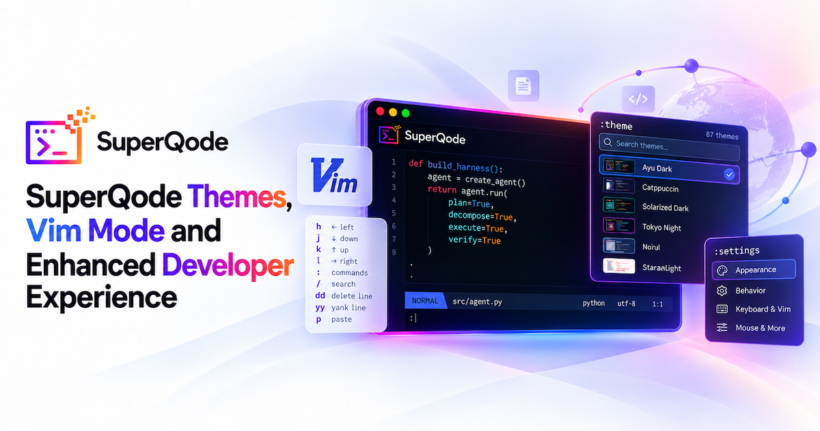

Recently, there is a lot of talk around harnesses and self-improving software. SuperQode was not designed initially for developer experience, and every coding task it was harness layer that can be used […]
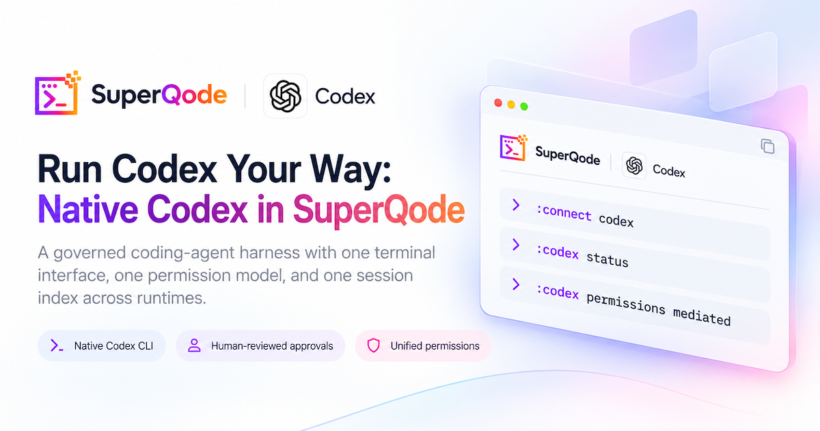
Coding agents now run real commands against real repositories, and the teams adopting them have learned that the model is only one part of the system. The harness around the […]
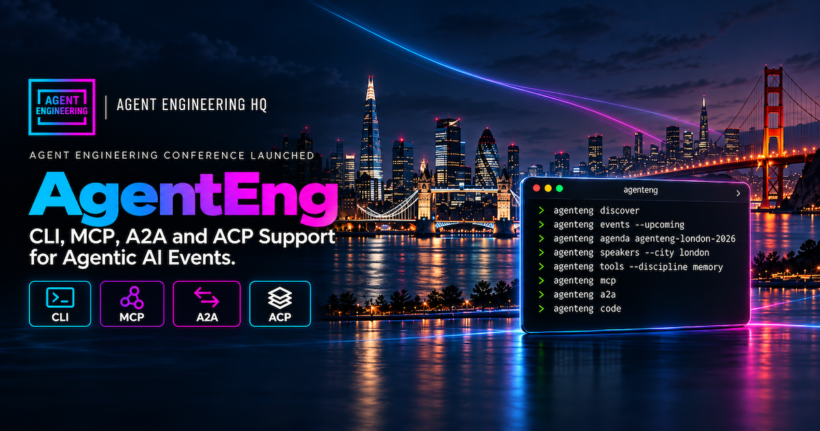
We launched the Agent Engineering Conference to bring together the people building the systems around AI agents. Its Founders Edition takes place at Everyman, Canary Wharf, London, on 16 October […]
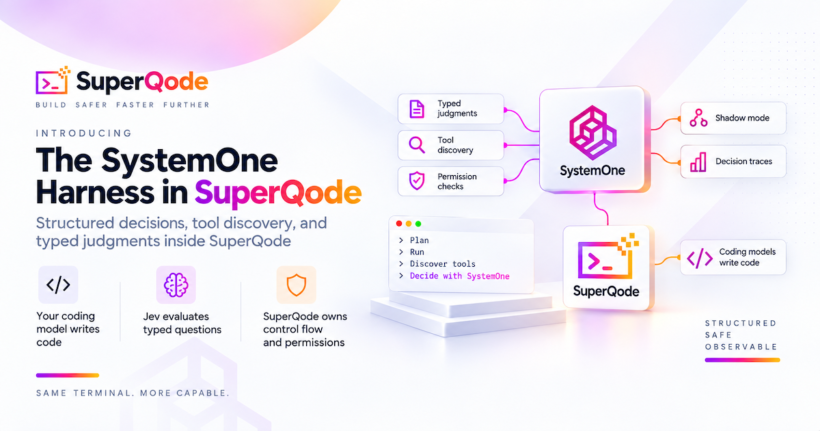
Introducing the SystemOne harness in SuperQode: a dedicated decision layer for the native coding loop, with Jev from TypeSafe AI as the supported live model. Your coding model writes code […]
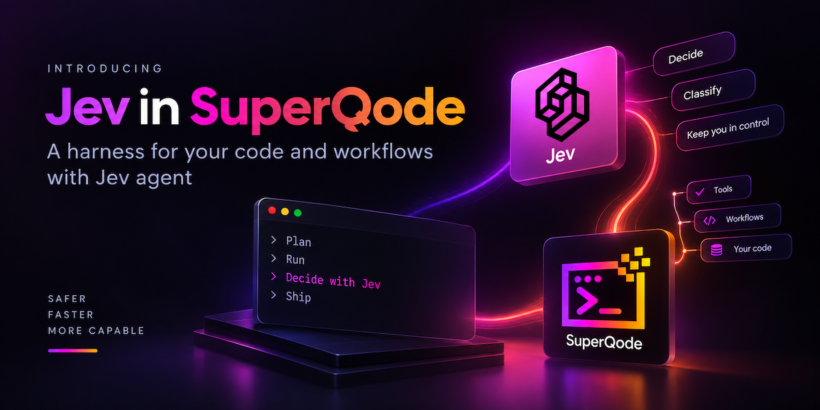
Coding agents are getting better at writing code. The expensive part is the swarm of small judgments around every tool call: allow this bash line, block that curl, ask a […]
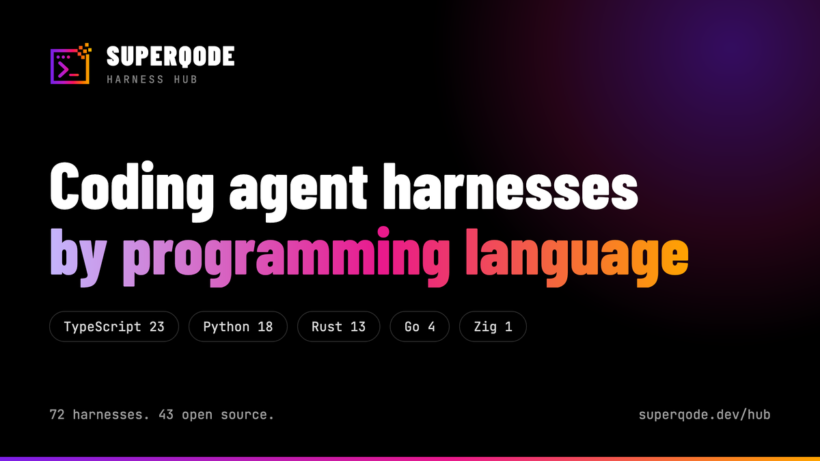
SuperQode 2.2.0 is out, and the Harness Hub now records what every coding agent harness is written in. You can filter the catalogue by language on the web, in the […]
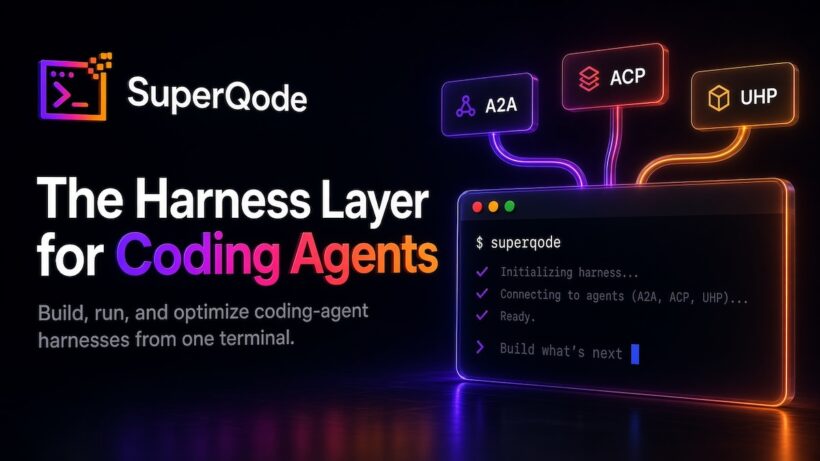
Today we are announcing SuperQode v2, the harness interoperability layer for coding agents. It is Apache-2.0, installs in one line, and leads with full Agent2Agent support, a hosted A2A agent […]
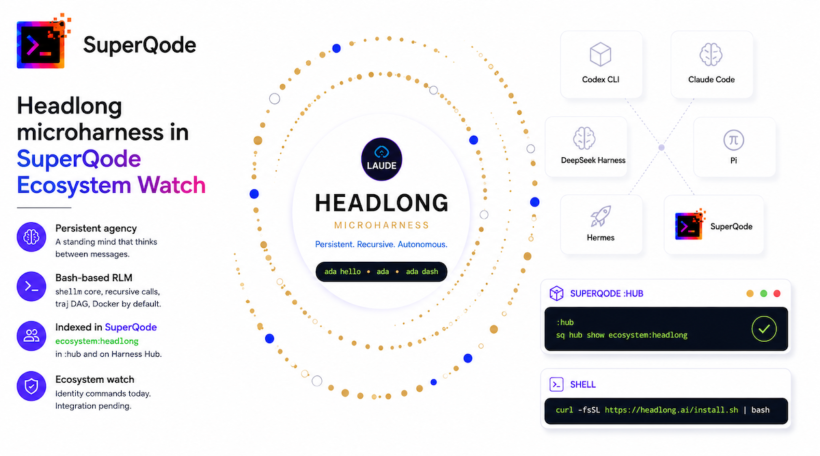
Laude Institute recently released Headlong: Apache-2.0, under 10K lines of Bash, with shellm as a recursive language model core. A Headlong agent keeps thinking between messages. A Slack or Telegram […]
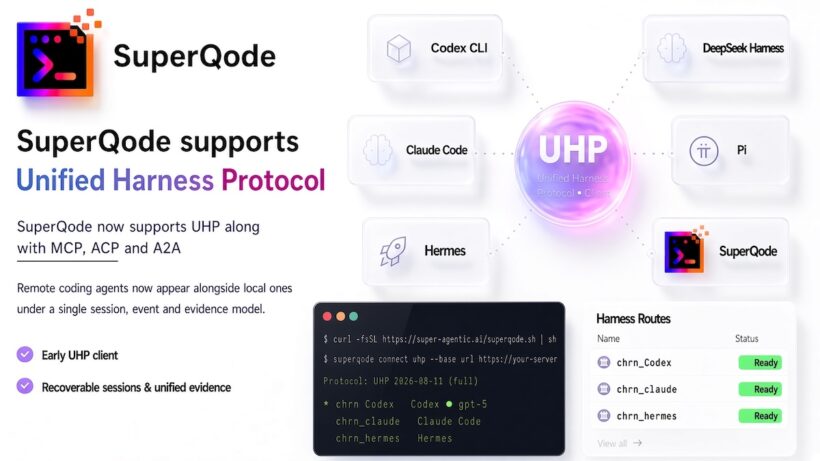
Coding harnesses have been arriving at a steady pace. Muse Code from Meta, fx from Vercel Labs, and Prime Agent from Prime Intellect all landed in recent months, each with its own loop, its own tools, […]
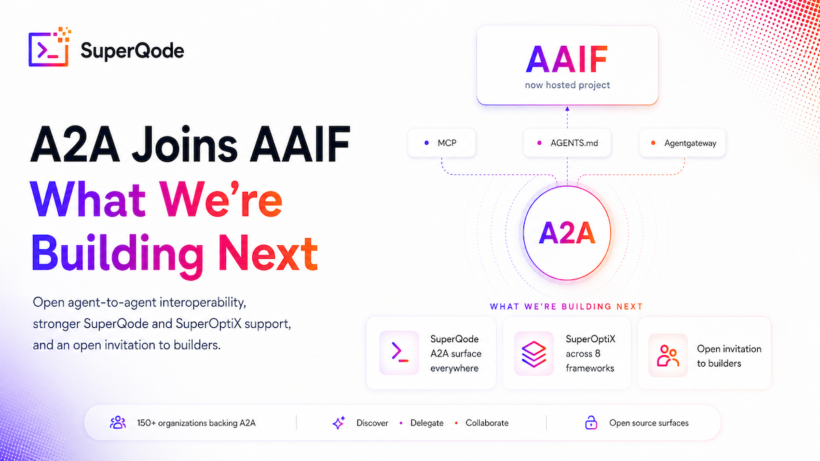
A2A, the agent-to-agent protocol Google launched in 2025, is now a formally hosted project at the Agentic AI Foundation. The announcement puts it alongside MCP, AGENTS.md, and Agentgateway under one governance roof. AAIF’s CTO, Manik […]